Peacebuilding Under Pressure
Women, Security, and Mediation in a Fragmented World
Peacebuilding today unfolds in conditions of fragmentation: fragmented power, fragmented mediation tracks, and fragmented responsibility. Formal diplomatic processes increasingly operate alongside regional initiatives, civil society actors, and informal mediators. This shift is reshaping how peace and security frameworks function in practice.
Recent research emerging from policy–academic workshops hosted by the University of Edinburgh and the Scottish Council on Global Affairs examines these dynamics through the lens of the Women, Peace and Security (WPS) agenda. The resulting publications explore how WPS commitments are affected when peace processes become multi-layered and decentralized.
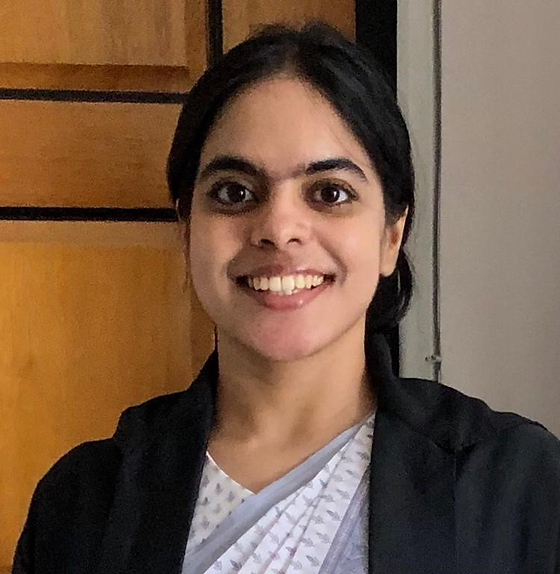 Salma Yusuf
Two collaborative outputs focus on peacebuilding in an era of fragmentation and multi-mediation. They analyze how expanded participation can coexist with new risks, including blurred accountability and uneven inclusion. Rather than treating fragmentation as a temporary disruption, the research approaches it as the prevailing operating environment for contemporary peace processes.
A third publication takes a narrower focus on peace leadership, examining how leadership—particularly women’s leadership—is exercised within complex political and institutional constraints. The analysis shifts attention away from individual traits toward the structures and conditions that enable or limit meaningful leadership in peacebuilding contexts.
Together, these works contribute to current debates on how peace and security frameworks must adapt to remain effective in a fragmented global order, offering grounded insights for policymakers, practitioners, and students of international peace and security.
Publications
-
Women, Peace and Security in the Age of Fragmentation
https://peacerep.org/publication/policy-brief-women-peace-and-security-in-the-age-of-fragmentation/ -
SCGA Insight Report: Women, Peace & Security
https://scga.scot/2025/12/17/scga-insight-report-women-peace-security/ -
Women’s Leadership and Peacebuilding
https://scga.scot/2025/12/17/womens-leadership/