From Global Studies to Global Governance: MGIS Professor Involved in Historic Platform Economy Convention
The adoption of the new Platform Economy Convention marks a significant moment in the development of international labour standards. Approved at the International Labour Conference in Geneva, the Convention establishes the first binding global labour standard specifically addressing decent work in the platform and gig economy.
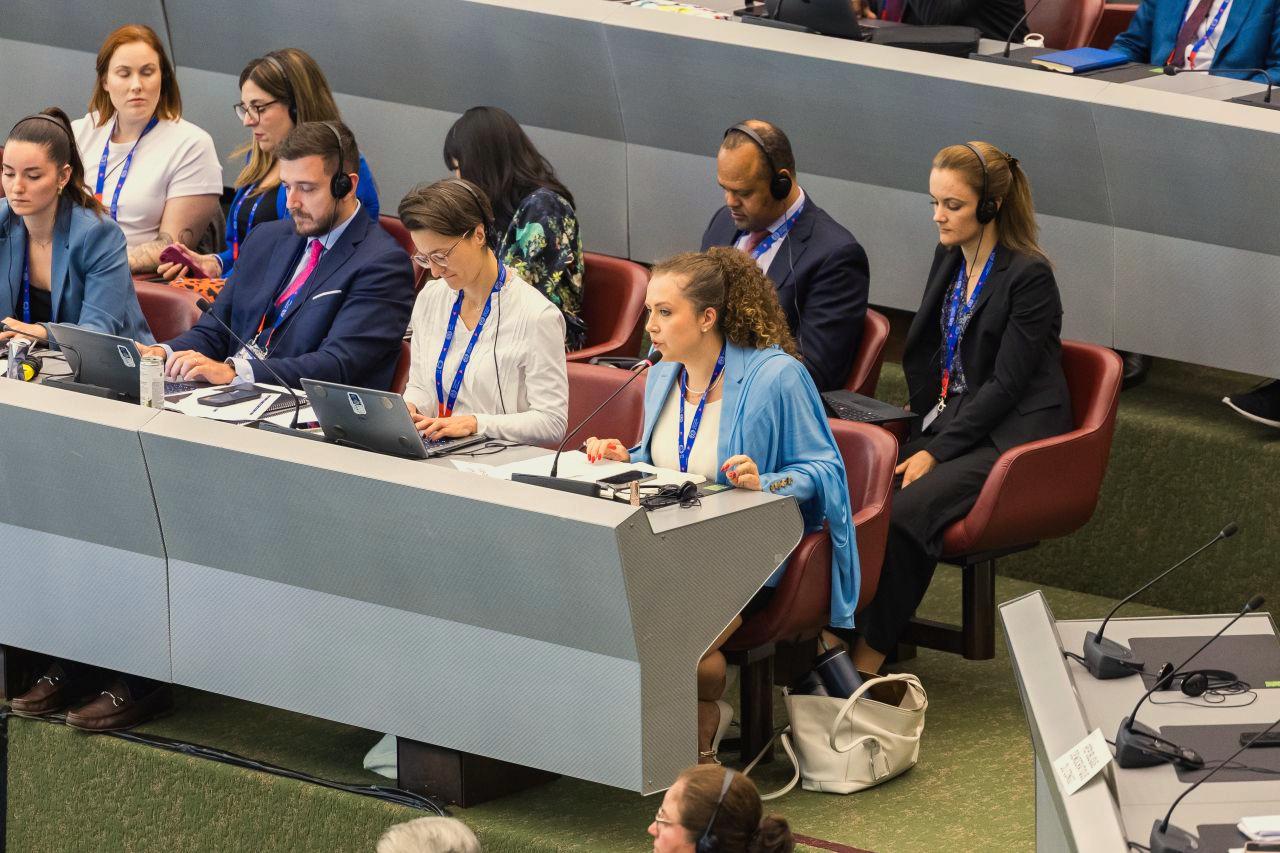
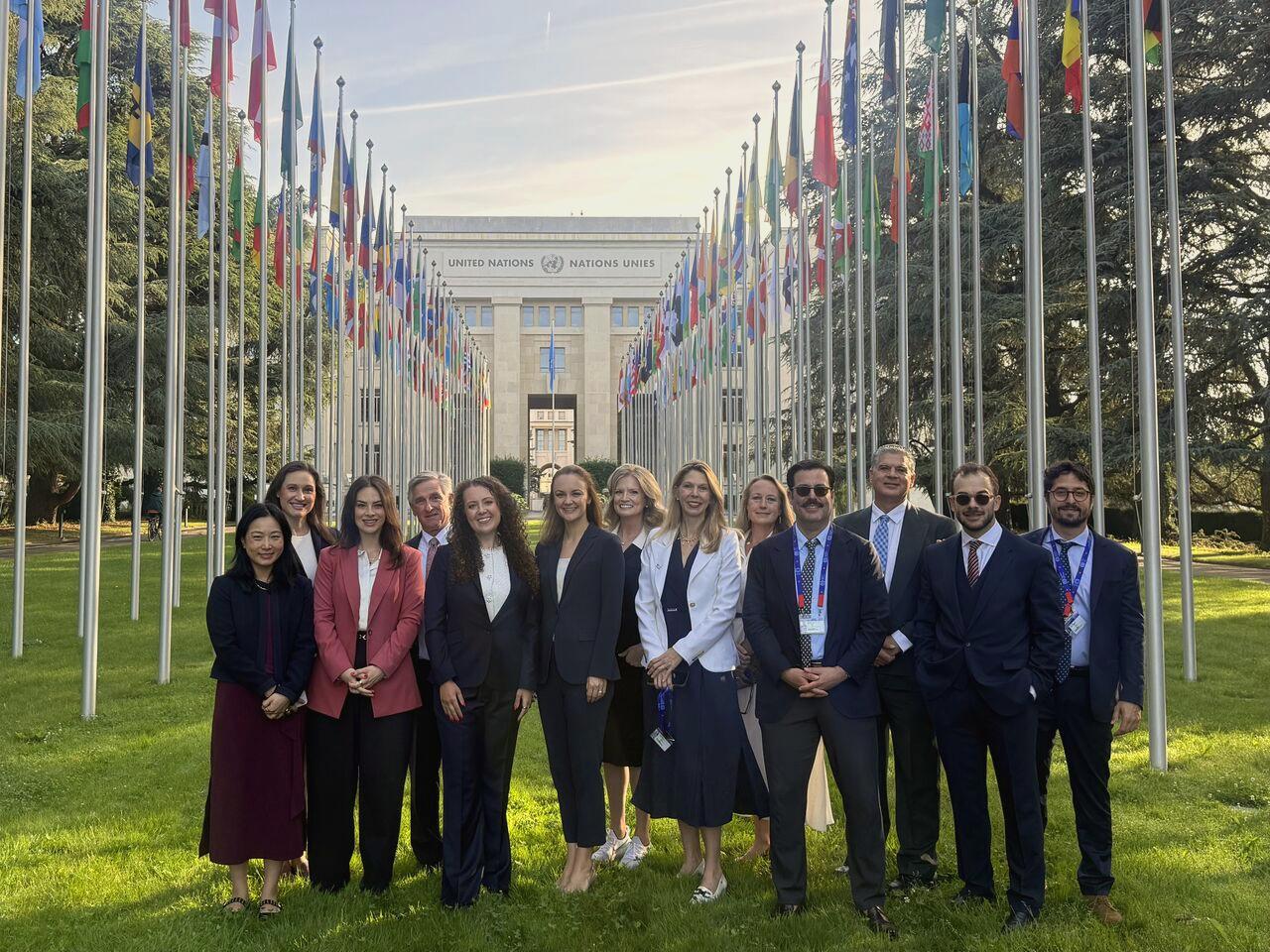
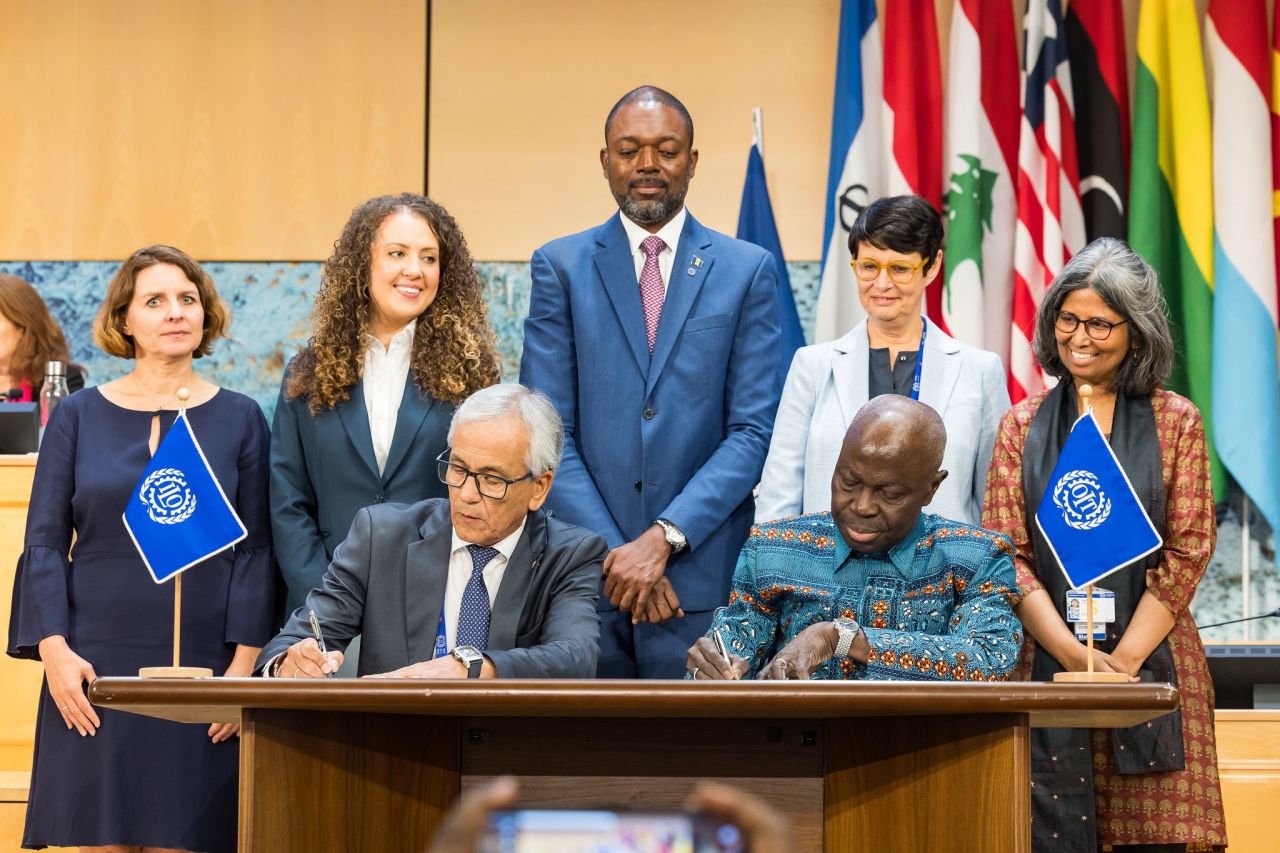
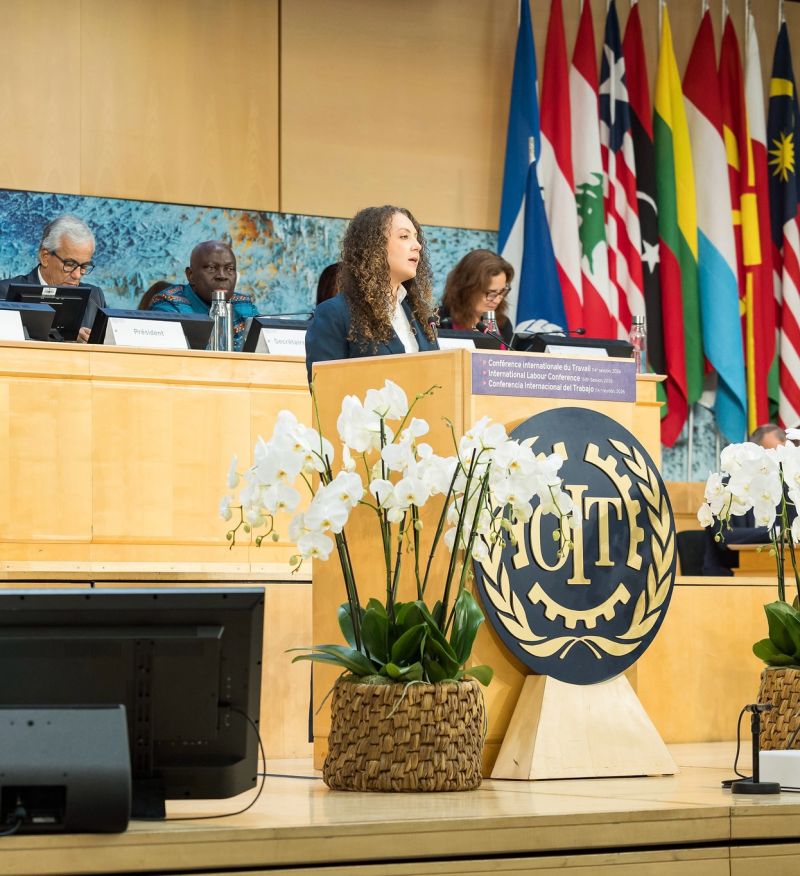
For the Master in Global and International Studies (MGIS) community, this development carries special relevance. Our professor, Ewa Staworzynska, served as lead negotiator for the new international labour standard on platform work, contributing directly to a process that brought together governments, employers, workers’ representatives, and business actors from across regions.
The Convention responds to one of the most pressing labour questions of the digital age: how to protect workers whose employment is mediated through digital platforms while still respecting the diversity of national legal systems and labour classifications. According to the adopted framework, the Convention recognizes the realities of self-employment, respects national classification laws, and seeks to balance worker protection with the business needs of platform-based models.
Its core protections include measures related to minimum remuneration, occupational safety and health, social protection, and protection against unjustified termination or deactivation. The Convention also addresses algorithmic management, requiring greater transparency on how automated systems affect pay, access to work, and working conditions.
This is particularly important because platform work has become a central feature of the global economy, covering sectors such as ride-hailing, food delivery, e-commerce, care work, and digital freelance services. The new standard does not eliminate national differences, but it creates a shared international floor for decent work in a sector that has often operated across legal and regulatory grey zones.
For MGIS students, the adoption of this Convention is a strong example of global governance in practice. It shows how international institutions negotiate between economic innovation, labour protection, social justice, and national sovereignty. It also demonstrates how diplomacy, legal expertise, business representation, and social dialogue can shape concrete international outcomes.
The process behind the Convention reflects the complexity of modern global policymaking. More than 200 business representatives across regions were involved in the negotiations, showing that the platform economy cannot be regulated through a single perspective. Instead, durable standards require negotiation between multiple actors with different priorities: workers seeking protection, employers seeking operational clarity, governments defending national legal systems, and international organizations promoting decent work.
The adoption of the Platform Economy Convention is therefore more than a technical labour law milestone. It is a signal that global governance is adapting to new forms of work created by digitalization. It also highlights the importance of professionals who can operate across diplomacy, business, law, and international institutions.
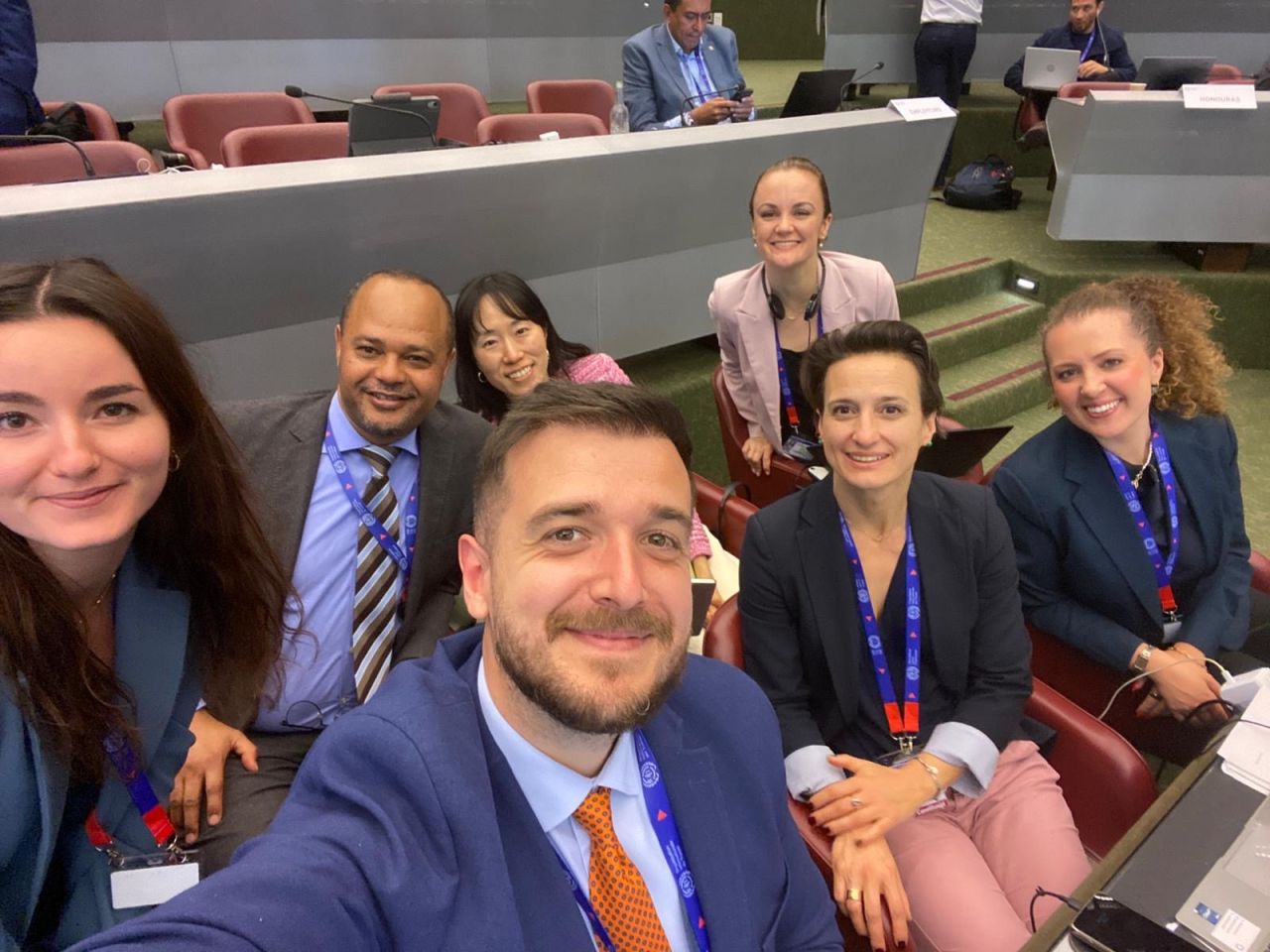
For MGIS, this achievement is a reminder of the practical relevance of global and international studies. The issues discussed in classrooms — labour standards, international negotiation, institutional design, economic transformation, and governance — are not abstract. They are actively shaping the rules of the global economy.
The contribution of Professor Ewa Staworzynska to this process represents an important point of pride for the MGIS community and a clear example of how academic expertise and international practice can meet in the service of global impact.